Java Developer Career, Full Stack Jobs and a Complete Guide on How to Become a Java Developer From Scratch in 2026
How to Become a Java Full Stack Developer Without Experience
Core Java Training in Mumbai | Core Java Online | Advance Java Training in Mumbai | Advance Java Online | Register for a Free Demo | Download Brochure
Becoming a Java Full Stack developer without prior experience is one of the most achievable career transitions available in India's technology job market in 2026. Unlike some specialized technical roles that require years of domain background, Java Full Stack development is a skill set that can be learned systematically from scratch by anyone with the commitment to follow a structured path and build real project experience along the way.
The demand for Java Full Stack developers in India is consistent, broad, and well-paying. Banking, fintech, e-commerce, healthcare technology, IT services, and enterprise software companies are all actively hiring developers who can build backend services with Spring Boot and connect them to React frontends through well-designed REST APIs. Freshers who demonstrate genuine proficiency, a portfolio of working projects, and the ability to communicate their technical decisions confidently are being hired into these roles regularly in 2026 even without formal professional experience.
This blog is your complete guide on how to become a java developer from scratch with no experience. It covers why this transition is more achievable than most people think, exactly what skills you need to build and in what order, how to create a portfolio that employers take seriously, and the specific strategies for finding and landing your first Java Full Stack developer job. Whether you are a recent graduate, a professional from a different field, or someone returning to education after a career gap, this guide gives you a clear, honest, and practical path forward.
Why Becoming a Java Full Stack Developer Is Achievable Without Prior Experience
Companies Hire for Skills Not Just Credentials
The most important mindset shift for anyone starting a Java Full Stack career without experience is understanding that Indian technology employers in 2026 are increasingly hiring based on demonstrated skills rather than years of experience alone. A fresher who can build a complete Spring Boot REST API with proper authentication, connect it to a React frontend, write unit tests for the service layer, deploy the application to a cloud platform, and explain every architectural decision they made is more hireable than a candidate with two years of vague experience and no portfolio.
This skills-first hiring trend has been accelerated by the growth of coding bootcamps, structured online training programs, and the easy availability of free cloud deployment platforms that allow freshers to showcase working applications. Recruiters and technical interviewers can verify skill claims through GitHub links and live application demos in ways that were not possible a decade ago.
The Learning Curve Is Manageable With the Right Approach
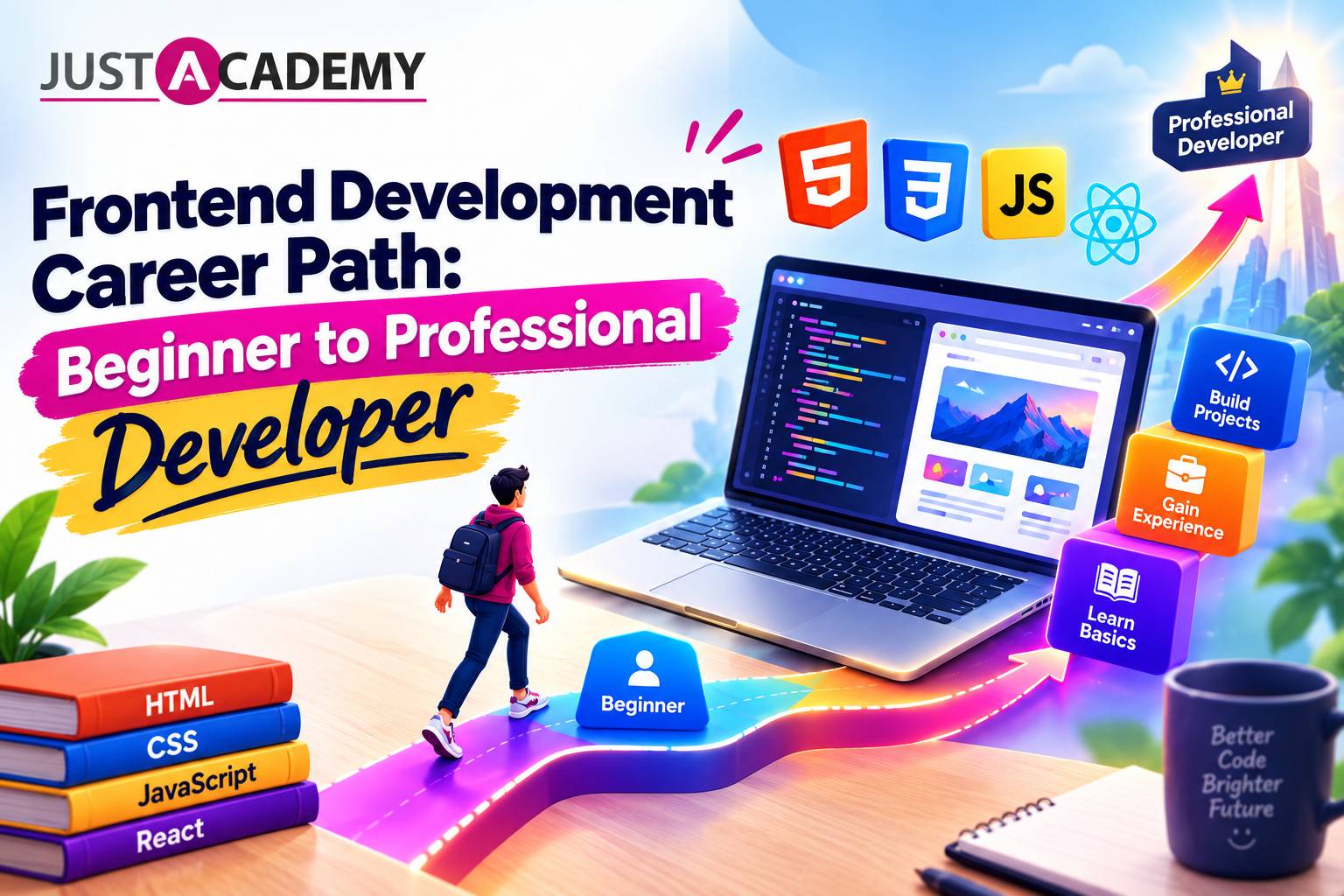
Java Full Stack development looks overwhelming from the outside because the technology stack is genuinely broad. Core Java, Spring Boot, Hibernate, REST APIs, Spring Security, React, HTML, CSS, JavaScript, SQL, Git, Maven, Docker, and deployment are all part of the picture. However, these technologies are not all learned simultaneously. They are learned in a specific sequence where each layer builds naturally on the previous one. With the right roadmap and four to six months of consistent, structured learning, a complete beginner can develop the skills needed to pass technical interviews and contribute to professional Java Full Stack projects.
The Indian Job Market Has Specific Entry Points for Freshers
Indian IT services companies including Infosys, TCS, Wipro, HCL, and Cognizant hire tens of thousands of freshers annually for Java developer roles. Many of these roles specifically target candidates who understand Spring Boot, REST APIs, and basic frontend skills. Product startups and mid-size technology companies in Mumbai, Bangalore, Hyderabad, and Pune offer fresher Java Full Stack roles that pay between 4 and 8 LPA. Global companies with India development centers look for candidates who can contribute to full stack projects from day one. All of these entry points are accessible to candidates who have completed a structured training program and built a strong portfolio.
Career Changers Have Succeeded in This Path Repeatedly
Finance professionals who understand banking domain concepts and learn Java Full Stack become exceptionally valuable at fintech companies. Operations professionals who understand business processes and learn full stack development become strong candidates for enterprise application teams. Teachers who learn to code bring communication skills that engineering teams value. The combination of prior domain knowledge with new full stack technical skills creates a unique value proposition that pure freshers without domain context cannot offer. If you come from another field, your background is an asset rather than a liability once you develop the technical skills.
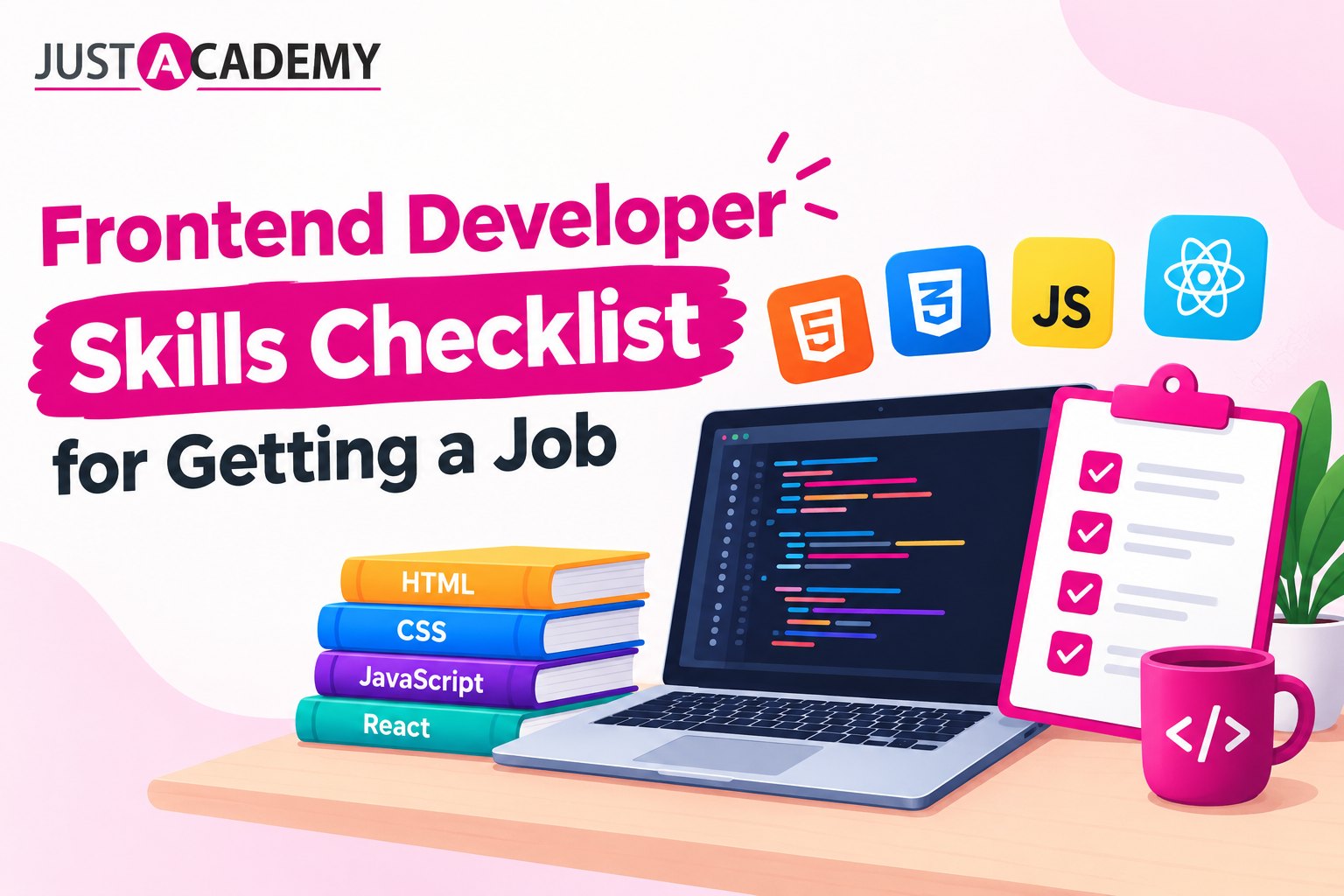
The Complete Skill Set You Need to Become a Java Full Stack Developer
Core Java: The Non-Negotiable Starting Point
Every Java Full Stack developer's career begins with Core Java. There is no shortcut around this. Spring Boot, Hibernate, and every other Java framework is built on Java fundamentals. Without them, framework behavior is a mystery, debugging is guesswork, and interviews reveal the gap immediately.
Essential Core Java Topics to Master
Object-oriented programming is the foundation of everything. Classes and objects, encapsulation that bundles data and behavior, inheritance that extends and specializes classes, polymorphism that allows different behaviors through the same interface, and abstraction that hides implementation details are the four pillars that Spring uses in every annotation, every bean, and every framework class you will ever work with.
Collections framework mastery distinguishes candidates who understand data structures from those who only write hello world programs. ArrayList for dynamic lists, HashMap for key-value lookups, HashSet for unique collections, and the differences between them in terms of performance characteristics are daily working knowledge for any Java developer.
Java 8 features are particularly critical because modern Spring Boot code uses them extensively and without them you cannot read or write professional Java code confidently. Lambda expressions replace verbose anonymous inner classes. The Stream API transforms how collections are processed declaratively. Optional reduces NullPointerExceptions in service layer code. Method references provide concise syntax for common patterns.
Exception handling with try-catch-finally, custom exception classes, and the difference between checked and unchecked exceptions is essential for writing robust service layer code that handles errors appropriately rather than crashing or hiding problems.
Multithreading basics including thread creation, the Runnable interface, synchronization, and the ExecutorService are needed because web applications handle concurrent requests and understanding thread safety prevents hard-to-debug production issues.
Time Required for Core Java
Four to six weeks of consistent daily practice covering these topics builds the foundation needed to start learning Spring Boot productively. The temptation to rush through this stage and jump to frameworks is strong but resisting it pays significant dividends in everything that follows.
Web Fundamentals: HTML CSS and JavaScript
Java Full Stack developers who cannot build or debug frontend code are limited to pure backend roles. Understanding web fundamentals makes you genuinely full stack rather than just a Java developer who has heard of React.
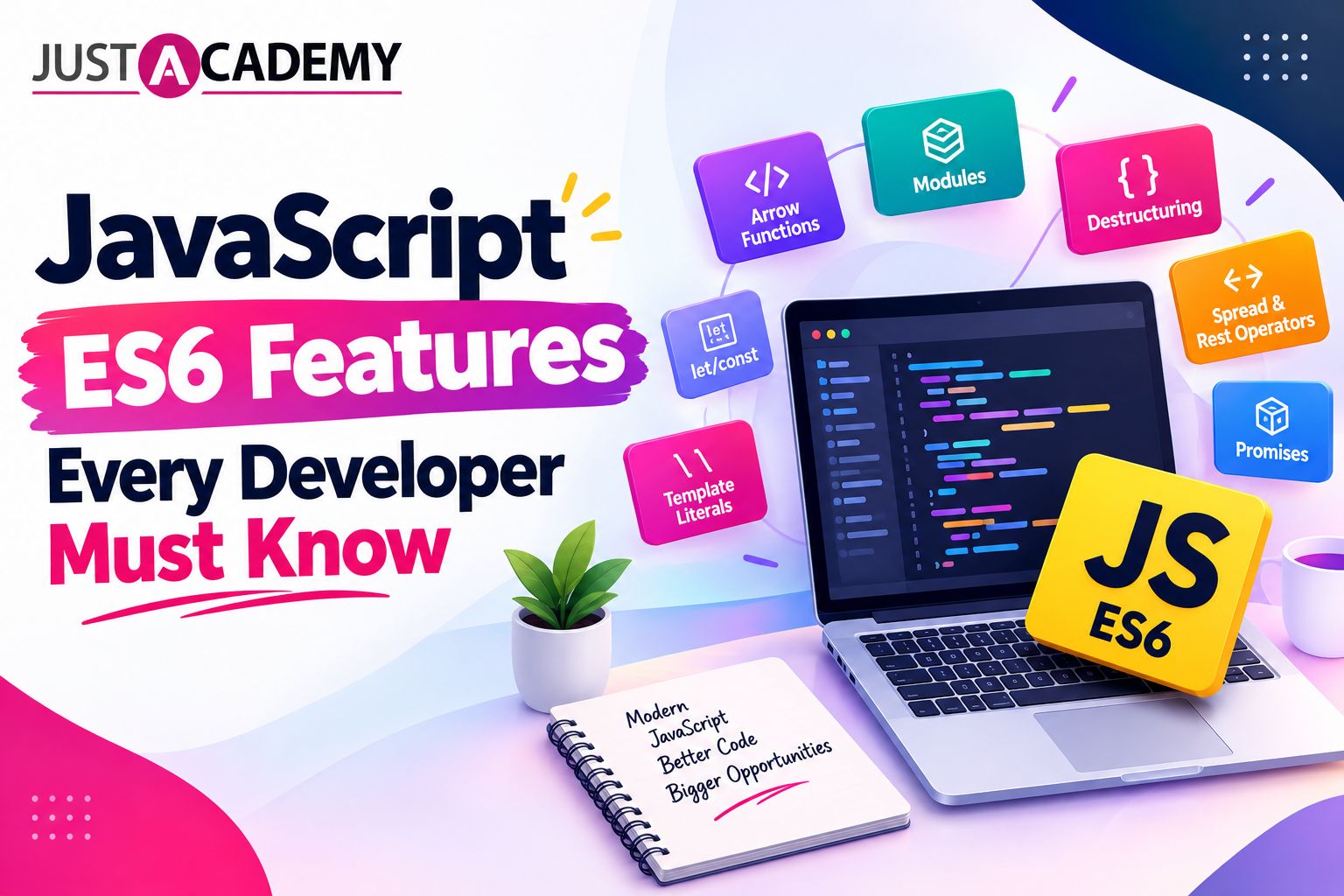
HTML covers semantic document structure, forms, input types, and the elements that make up every web page. CSS covers the box model, flexbox for flexible layouts, CSS Grid for complex two-dimensional layouts, and responsive design with media queries. JavaScript covers variables, functions, the DOM for page manipulation, event handling, the fetch API for calling REST APIs, ES6 features including arrow functions, destructuring, template literals, and async/await for handling asynchronous operations.
Bootstrap provides pre-built responsive UI components that allow Java developers to build professionally styled interfaces quickly without deep CSS expertise.
Three to four weeks covers web fundamentals adequately for the full stack role. These skills deepen significantly during React development in later stages.
SQL and Database Fundamentals
Understanding databases before learning Hibernate and Spring Data JPA is important because these frameworks are abstractions over the database, not replacements for understanding it. Developers who skip SQL and go straight to JPA write inefficient queries, cannot debug the SQL Hibernate generates, and fail the database portion of technical interviews consistently.
SQL fundamentals include SELECT queries with filtering, aggregation, and sorting. All JOIN types for combining related tables. Subqueries and CTEs for complex multi-step analysis. INSERT, UPDATE, and DELETE operations. Table design with primary keys, foreign keys, and constraints. And indexing for query performance.
MySQL and PostgreSQL are the most commonly used relational databases in Java Spring Boot applications in India. Basic MongoDB familiarity is also valuable for the growing number of projects that combine relational and document databases.
Two to three weeks covering SQL fundamentals through table design and basic performance concepts prepares you for Spring Data JPA development.
Spring Boot: The Heart of Java Backend Development
Spring Boot is the framework that makes professional Java backend development productive. It eliminates the verbose configuration of traditional Spring, packages applications as self-contained executables, and provides a rich ecosystem of integrations for databases, security, messaging, and cloud services.
The Spring Boot topics that every Java Full Stack developer must know are organized below.
Spring Core and Dependency Injection
Dependency Injection is the fundamental pattern that Spring is built on. Objects declare their dependencies and the Spring container provides them rather than objects creating their own dependencies. The Inversion of Control container manages bean creation, configuration, and lifecycle. Understanding how annotations like Component, Service, Repository, Controller, Autowired, and Configuration work together to wire the application is foundational knowledge for every Spring Boot project.
Building REST APIs
REST API development with Spring Boot covers RestController for marking API controller classes, GetMapping, PostMapping, PutMapping, PatchMapping, and DeleteMapping for mapping HTTP methods to handler methods, RequestBody for deserializing JSON request bodies, PathVariable and RequestParam for extracting URL values, ResponseEntity for returning appropriate HTTP status codes, global exception handling with ControllerAdvice, and request validation with Bean Validation annotations.
Spring Data JPA and Hibernate
Spring Data JPA simplifies database operations dramatically. Entity annotations map Java classes to database tables. JpaRepository provides built-in CRUD operations. Method naming conventions generate queries automatically. The Query annotation allows custom JPQL. Understanding entity relationships with OneToMany, ManyToOne, and ManyToMany, the difference between lazy and eager loading, and the Transactional annotation for managing database transactions is essential for building data-driven applications.
Spring Security and JWT Authentication
Security is a required skill for any professional Java application. Spring Security covers authentication and authorization configuration, BCryptPasswordEncoder for password hashing, JWT-based stateless authentication for REST APIs, role-based access control for protecting specific endpoints, and CORS configuration for allowing React frontend requests.
Time Required for Spring Boot
Seven to nine weeks for comprehensive Spring Boot coverage. This is the most intensive stage of the learning journey and the one where interview questions are most concentrated. Investing adequate time here is the most important decision in your Java Full Stack preparation.
React: The Frontend Layer
React is the most widely used JavaScript library for building modern web UIs and the most commonly specified frontend skill alongside Spring Boot in Java Full Stack job postings in India in 2026.
React fundamentals include components as the building blocks of UI, JSX for HTML-like markup in JavaScript, props for passing data between components, useState for managing component state, useEffect for side effects including API calls, event handling, conditional rendering, list rendering with map and key props, and forms with controlled components.
State management covers the Context API for application-level state like authenticated user and theme, React Query for server state including caching and background refetching, and Redux Toolkit for complex applications.
React Router covers client-side routing with multiple pages, protected routes that redirect unauthenticated users, and URL parameter handling.
Connecting React to Spring Boot APIs covers Axios for HTTP requests, JWT token storage and inclusion in request headers through Axios interceptors, and handling loading and error states for API responses.
Four to five weeks for React fundamentals through API integration and routing. By the end of this stage you should be able to build a complete full stack application connecting Spring Boot and React.
Additional Important Skills
Git and GitHub are non-negotiable for any professional developer. Every company uses version control and demonstrating that you understand branching, committing, and pull requests is a basic professional expectation.
Docker for containerizing Spring Boot applications and Docker Compose for running multi-container applications locally demonstrates deployment awareness that employers value.
Basic cloud deployment knowledge for hosting a Spring Boot application on AWS Elastic Beanstalk or any cloud platform through the free tier produces a live demo link that is far more impressive than local application screenshots.
How to Build Your Java Full Stack Portfolio and Get Noticed by Employers
Why Your Portfolio Matters More Than Your Degree
In the Java Full Stack developer job market in 2026, your GitHub portfolio is reviewed before your academic transcript in most hiring processes. Technical interviewers care about what you have built, how you structured it, how you handled edge cases, and whether you can explain your decisions. A well-built portfolio of two to three complete projects demonstrates capability more convincingly than any certificate or grade.
What Makes a Strong Java Full Stack Portfolio Project
A portfolio project that impresses technical interviewers has specific characteristics. It is complete, meaning it has a working backend, a connected frontend, and real functionality that a user could interact with meaningfully. It is deployed, meaning there is a live URL or at minimum a Docker configuration that can be run locally with a single command. It is well-documented, meaning the GitHub README explains what the application does, the technology stack used, how to run it locally, and screenshots or a demo link. And it demonstrates judgment, meaning the code structure, error handling, input validation, and security implementation show that you have thought about production concerns beyond just making the happy path work.
Project 1: Complete Task Management Application
The first portfolio project should be a task management application because it covers the core full stack workflow that most employer interview tasks mirror. The backend is a Spring Boot REST API with endpoints for creating, reading, updating, and deleting tasks, user authentication with JWT, task ownership so users only see their own tasks implemented through row-level security in the service layer, and Spring Data JPA with MySQL for persistence. The frontend is a React application with login and registration forms, a protected task list view, the ability to create and update tasks, and Axios integration with JWT token handling through interceptors.
This project demonstrates authentication, CRUD operations, protected routes, API integration, and data persistence all in one coherent application. Every Java Full Stack interview involves explaining exactly these concepts and having built a working implementation gives you specific, credible answers.
Project 2: E-Commerce Product Catalog With Search and Filtering
The second project should increase complexity and demonstrate additional skills. An e-commerce product catalog with an admin panel covers Spring Boot REST API with separate endpoints for public product browsing and admin product management. Role-based access control with Spring Security where admin users can create, update, and delete products and regular users can only browse. Product image upload to a file storage solution. Search and filtering API endpoints with multiple query parameters. React frontend with a product grid, search bar, category filters, and an admin dashboard with protected routes accessible only to admin users.
This project demonstrates more sophisticated Spring Security with multiple roles, file handling, complex query parameters, and a real business use case that interviewers at e-commerce companies recognize immediately.
Project 3: Real-Time Chat or Notification Application
The third project should demonstrate a more advanced technical capability. A chat application using Spring Boot WebSocket for real-time messaging, Firebase or a similar service for push notifications, MongoDB for message storage, and a React frontend with real-time updates shows technical depth beyond basic CRUD that impresses senior developers in interviews. Alternatively a microservices project that splits a Spring Boot monolith into two independently deployable services with Docker Compose demonstrates architectural thinking that mid and senior level roles specifically value.
GitHub Profile Best Practices
Every portfolio project should have a GitHub repository with a README that includes a brief description of what the application does, the technology stack with version information, clear setup and running instructions, screenshots of the main features or a link to a live demo, and a brief explanation of key architectural decisions. The README is the first thing a recruiter or technical interviewer reads and a clear, professional README immediately signals attention to quality.
Your overall GitHub profile should show consistent commit activity, meaningful commit messages that describe what changed rather than just saying update, and organized repository structure with logical folder organization and no secrets or credentials committed to the codebase.
Building a LinkedIn Profile That Attracts Recruiters
LinkedIn is the primary platform through which Indian recruiters find Java developer candidates. A strong LinkedIn profile for a fresher Java Full Stack developer includes a headline describing your specific skills such as Java Full Stack Developer with Spring Boot and React rather than just Fresher or Job Seeker. A detailed About section explaining your technical focus, the types of problems you can solve, and a call to action inviting recruiters to review your GitHub portfolio. A featured section with links to your GitHub repositories or live project demos. Skill endorsements for Java, Spring Boot, React, SQL, and Git. And regular posts sharing technical insights, project updates, or commentary on Java ecosystem developments that demonstrate ongoing learning and genuine engagement with the technology.
How to Land Your First Java Full Stack Developer Job Without Experience
Understanding What No Experience Actually Means to Employers
When a job posting says three years of experience required, that is often an aspirational requirement rather than a hard filter. Many companies in India, particularly IT services firms and startups, regularly hire freshers into Java developer roles and train them on the job. The actual filter is whether the candidate can contribute meaningfully from an early stage. A fresher with a strong portfolio and genuine technical proficiency frequently clears technical interviews at companies that nominally require experience because the interviewer can see that the candidate has the capability they are looking for.
Types of Companies That Hire Java Freshers
IT services companies including TCS, Infosys, Wipro, HCL, Cognizant, Mphasis, and L&T Infotech hire large numbers of Java freshers annually through campus placements and pool campuses. These roles typically start at 3.5 to 5 LPA and provide exposure to enterprise Java projects through training programs. Product startups in Mumbai, Bangalore, Hyderabad, and Pune hire Java freshers with specific skills at 5 to 8 LPA for roles that provide more direct product exposure and faster skill development. Digital agencies and software development companies that build custom applications for clients hire Java developers at various experience levels and are often less strict about formal experience requirements than large enterprises. Remote roles at Indian companies serving global clients and at international companies with remote-first hiring are increasingly accessible to strong fresher candidates.
The Fresher Job Search Strategy That Works
Applying to hundreds of jobs on Naukri and LinkedIn and waiting for callbacks is the least effective job search strategy for freshers with no experience. The strategies that actually produce results combine several approaches.
Direct application with personalized messages works better than bulk applications. When applying to a specific company, research what they build, identify which of your portfolio projects is most relevant to their business, and include a brief, specific note in your application explaining which project demonstrates the skills they need and why you are interested in their work specifically.
Referrals dramatically increase interview conversion rates. Reach out to alumni from your college or training program who work at companies you are targeting. A warm referral from someone inside the company skips the resume screening stage that filters out most fresher applications.
Technical communities create visibility with the exact audience that hires Java developers. Contributing to open-source Java or Spring Boot projects on GitHub, answering questions on Stack Overflow, writing technical blog posts about something you built or learned, and participating in local developer meetups creates a reputation that attracts opportunities rather than requiring you to chase them.
Freelancing and contract work builds real experience quickly. Platforms like Upwork and Freelancer have Java backend and full stack projects that are accessible to freshers willing to price competitively for their first few projects to build a track record. The experience and feedback from even one successful freelance project is worth more than months of tutorial projects in interview conversations.
Preparing for Technical Interviews as a Fresher
Java Full Stack technical interviews typically include multiple rounds covering Core Java fundamentals through object-oriented concepts and Java 8 features, Spring Boot questions on dependency injection, REST API design, Hibernate entity mapping, and Spring Security, database questions on SQL queries and schema design, React questions on components, hooks, state management, and API integration, and a live coding or take-home project round.
Preparing for each of these areas requires more than reading definitions. It requires building projects that implement these concepts so you can speak from real experience rather than theoretical knowledge. The difference between answering a Spring Security question from having implemented JWT authentication in a project you built versus answering from a tutorial you watched is immediately apparent to any technical interviewer.
Practice explaining your code out loud. Describe the problem you were solving, the approach you chose, why you made specific design decisions, and what you would do differently with more time. This narrative ability is what converts technical knowledge into interview success.
Handling the Experience Question in Interviews
The most common concern for freshers is being asked about professional experience they do not have. The honest and effective approach is to redirect this question toward your portfolio and the depth of your self-directed learning. Explaining that while you have not yet held a professional Java role you have spent the last five months building three complete full stack applications, one of which is deployed on AWS and available at a specific URL, and walking through the architectural decisions you made during development is a genuinely strong response that many experienced candidates cannot match.
The key insight is that interviewers asking about experience are trying to assess capability and learning ability. Demonstrating these directly through your portfolio answers the underlying question even without the professional context they were expecting.
Salary Negotiation for Your First Java Full Stack Role
Freshers often accept the first offer they receive without negotiation, leaving significant compensation on the table. Researching the market rate for Java fresher roles in your target city using Glassdoor, AmbitionBox, and LinkedIn Salary Insights before any offer conversation gives you data to negotiate from. Understanding that IT services companies often have fixed fresher packages while product companies and startups have more flexibility helps you direct negotiation energy appropriately. Demonstrating your specific portfolio projects, live deployments, and genuine Spring Boot and React proficiency provides justification for positioning at the higher end of the fresher range rather than accepting the minimum.
How Structured Training Accelerates Your Journey to a Java Full Stack Career
The Gap Between Tutorial Learning and Job Readiness
The most important thing to understand about learning Java Full Stack development independently is that completing tutorials produces familiarity with concepts but not the ability to build from scratch when facing a blank screen. In an interview or on the job, there is no tutorial to follow. There is a requirement, a blank IDE, and your own understanding. Building this independent capability requires not just consuming tutorials but building projects independently, encountering real problems, solving them without looking at the solution first, and developing the debugging skills and architectural instincts that professional development demands.
Structured training with live interactive sessions accelerates this development dramatically because it forces you into the productive discomfort of building something new with expert guidance available when you genuinely need it, which is the fastest possible learning environment.
What the Best Java Full Stack Course in Mumbai Provides
For learners based in Maharashtra, in-person Java Full Stack training provides structured curriculum that covers the complete skill set in the right sequence, live classroom sessions where questions are answered in real time, real project work with code reviews from experienced instructors, mock technical interviews that simulate the actual rounds you will face at companies, and placement support that connects graduates to specific hiring opportunities in Mumbai's strong Java developer market.
JustAcademy's Java training programs cover Core Java foundations, Spring Boot backend development, React frontend, database design, testing, and deployment within a comprehensive curriculum that is regularly updated to reflect the skills Mumbai-based employers are actually hiring for in 2026.
For learners in Maharashtra who prefer classroom-based training, Core Java Training in Mumbai and Advance Java Training in Mumbai provide the complete Java backend foundation this career path requires with live interactive sessions, real project work, and placement support. For learners anywhere in India or globally, Core Java Online Training and Advance Java Online Training deliver the same curriculum and support from any location.
For Java Full Stack developers who want to strengthen specific parts of their skill set, JustAcademy also offers:
Related Courses to Build a Complete Technology Career Profile
Expanding your skills beyond Java Full Stack into adjacent technologies increases your versatility and career options. Explore these programs at JustAcademy:
Conclusion
Becoming a Java Full Stack developer without prior experience in 2026 is genuinely achievable with the right approach, the right sequence of learning, and the commitment to build real projects that demonstrate your capabilities to employers. The path is not short, it requires four to six months of consistent, focused effort, but it is clear, it is well-supported by structured training programs, and it leads to one of the most stable and well-compensated entry-level career paths available in India's technology job market.
The key decisions that determine success are investing adequately in Core Java fundamentals before rushing to Spring Boot, learning SQL before tackling Hibernate, building complete deployable applications rather than stopping at tutorial replicas, maintaining a professional GitHub portfolio with clean documentation, and approaching the job search with persistence, personalization, and a willingness to use referrals and community presence rather than relying on bulk job applications alone.
Every experienced Java Full Stack developer in India today was once at the same starting point you are at now. The difference between those who made the transition successfully and those who did not was not natural talent. It was structured learning, real project experience, and the persistence to keep going through the challenging stages where progress feels slow.
Take the first step today with JustAcademy. Register for a Free Demo to experience the Java curriculum and speak with an advisor about the fastest path to your Java Full Stack developer career, or Download the Brochure to review course content, batch schedules, and fees at your own pace. For classroom-based learning in Maharashtra, Core Java Training in Mumbai and Advance Java Training in Mumbai are the programs built for exactly this journey. For learners anywhere in India or globally, Core Java Online Training and Advance Java Online Training deliver the same live interactive quality from wherever you are. Your Java Full Stack developer career starts with the decision to begin. Make that decision today.
Why Becoming a Java Full Stack Developer Is Achievable Without Prior Experience
The Complete Skill Set You Need to Become a Java Full Stack Developer
How to Build Your Java Full Stack Portfolio and Get Noticed by Employers
How to Land Your First Java Full Stack Developer Job Without Experience